
Birdwatching on the Gold Coast: A Beginner’s Guide |
Start close to home, explore local habitats and learn to notice the birds around you. |
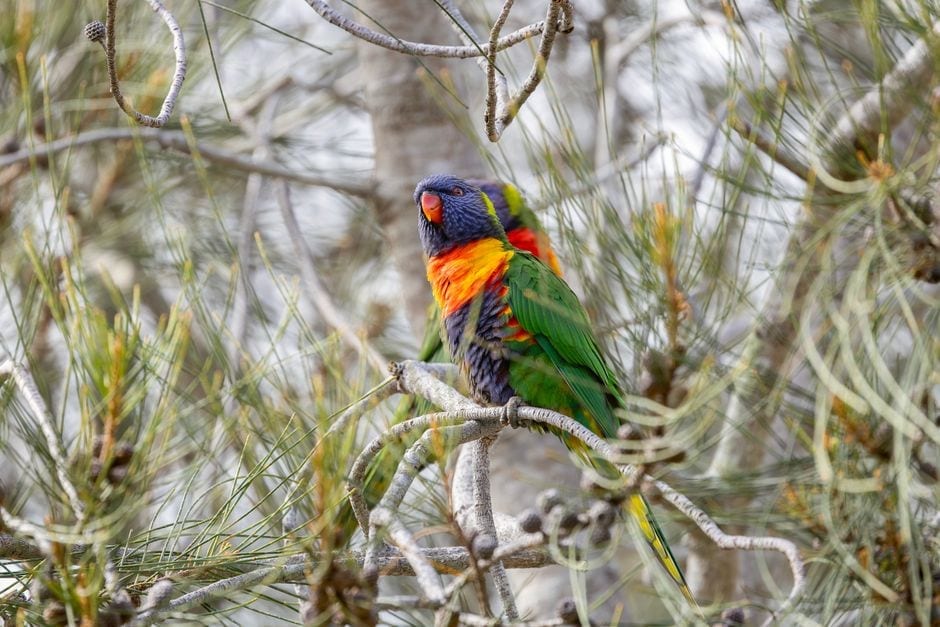
Birdwatching can start with a familiar park and a few minutes of paying attention.
You do not need to recognise every call or buy a long camera lens before you begin.
The Gold Coast’s gardens, wetlands, coastal vegetation and hinterland give you different settings to explore as your interest grows.
For a first outing, choose an easy place to visit and aim to notice a handful of birds well.
Here is a practical way to get started.
Begin somewhere familiar
Start in a local park or garden where you already understand the paths and facilities.
Spend a little time looking at different parts of the space: the ground, shrubs, tree canopy and any water visible from public paths.
Walking slowly and stopping occasionally gives you more chance to notice movement.
You can make an outing worthwhile without travelling far or finding a rare species.
Choose one bird and watch what it does.
Is it searching the ground, moving between flowers or waiting on a branch?
Behaviour gives you something interesting to observe even before you know the bird’s name.
Try a guided walk in Benowa
The Gold Coast Regional Botanic Gardens are an option for visitors who want to combine birdwatching with a garden walk.
The Friends of the Gardens list early morning bird walks among their guided activities.
A leader can help you connect calls, shapes and behaviour with the birds around you.
Check friendsgcrbg.org.au for the current program, meeting point and booking arrangements before attending.
Ask whether a particular walk suits beginners and what equipment is recommended.
If you visit independently, check visitor information and choose paths that fit your mobility and available time.
Treat the gardens as a place to observe wildlife rather than a location where any particular sighting is guaranteed.
Explore wetlands as your confidence grows
Coombabah is one area to investigate when you want to explore the Gold Coast’s wetland habitats.
Wetlands offer a different setting from an open suburban lawn, with water, vegetation and changing conditions influencing what you may see.
Check the current information for the specific reserve and entrance you intend to visit.
Confirm access hours, permitted routes, facilities and any closures rather than relying on an old itinerary.
Stay on designated paths and observe from a distance.
A quiet stretch of water may become interesting if you pause long enough to watch movement along its edges.
For a longer visit, plan your return route before concentrating on the birds.
Use local bird guides to choose another setting
Birds Queensland provides birdwatching guides and brochures, including a resource called Bird Places of the Gold Coast.
Use it to explore local habitats and build a shortlist of places that match your interests.
Then check current access information with the relevant land manager.
Coastal vegetation, woodland and rainforest can give you different things to look for.
Choose one new setting at a time so you can compare it with somewhere familiar.
For national park outings, consult parks.qld.gov.au for the track information and park alerts.
Keep your first visit within your walking experience and leave enough daylight for the return journey.
Take a few notes before reaching for a name
When you see an unfamiliar bird, start with its size relative to something you recognise.
Notice its overall shape, bill, tail and the colours or markings you can actually see.
A dark bird against the sky may look different once it moves into better light.
Record where it was and what it was doing.
If you hear a call, describe its rhythm in your own words.
These observations can help you compare possibilities in a field guide afterwards.
Keep an uncertain identification as uncertain.
You will learn more from a careful description than from forcing every sighting into a name.
Keep equipment simple
Your eyes and ears are enough for an initial visit.
If you can borrow binoculars, practise focusing them on a stationary object before trying to follow a moving bird.
Find the bird with your eyes first, then bring the binoculars up while keeping your attention on the same spot.
A field guide or identification resource can be useful, but avoid spending the whole outing looking down at a screen.
Carry the water, sun protection and footwear suited to your route.
A small notebook lets you record details without needing a photograph.
Buy equipment later when you know which kind of outings you enjoy.
Choose a comfortable time and pace
Queensland Parks recommends early morning and late afternoon as useful times to look for active birds.
Choose a time that also fits the site’s opening hours and your ability to get there comfortably.
A short daylight outing can be easier to repeat than a demanding trip.
Pause in a place where you can remain clear of other path users.
Listen before moving on, and give yourself time to notice birds that are less obvious than the noisy ones.
Weather and seasonal conditions affect what happens outdoors, so adapt your expectations.
Returning to the same place can be interesting even when the species list changes very little.
Make it an observation game for children
For a family outing, ask children to notice three different behaviours rather than compete to find the most birds.
They might spot a bird walking, flying and feeding.
Another challenge is to describe a bird without using its colour: small, long-tailed, quick-moving or perched high in a tree.
Keep the session short enough to hold their interest.
Explain that quiet observation lets everyone see what the bird chooses to do.
Supervise children near water and stay on the permitted route.
Let them record a sketch or a few words so they have something to compare on the next visit.
Give birds room to carry on
Watch from a distance and avoid approaching nests or chasing a bird for a closer photograph.
Do not feed wild birds to draw them towards you.
If your presence interrupts a bird’s activity, move away and give it space.
Keep noise down and follow the site’s rules about pets.
Leave vegetation and nesting material where you find them.
Keep exact locations of sensitive nesting activity out of public posts.
A useful photograph or observation should come from patience and position rather than making wildlife react.
Build a habit you can return to
After a visit, record the date, place and a few observations you want to investigate.
Choose one common bird to learn more about before your next outing.
You can also look into local birdwatching clubs or another guided walk if you enjoy learning with others.
Ask about the route, pace and beginner suitability before joining.
Over time, familiar calls and shapes become easier to recognise.
The pleasure often comes from noticing more in a place you thought you already knew.
For more local guides and ideas for exploring the coast, sign up to Gold Coast Current at goldcoastcurrent.com/signup. |
41 Comments
Join the conversation
The shorebirds down around the spit are amazing to watch at low tide. Great place for a stroll.
Kelly R.Saw a pair of pied oystercatchers there last Tuesday. Definitely worth taking some binoculars if you have them.
Really appreciate the reminder to keep nesting spots offline. Too many people crowd the nests for photos.
Thank you, protecting nesting birds from disturbance is vital for their welfare. We appreciate you helping spread the word about responsible wildlife observation.
Nice to see a guide that does not pretend you need thousand dollar camera gear just to enjoy nature.
Thank you! Your own eyes, ears, and a bit of curiosity are truly all you need to begin noticing the wildlife around you.
Good luck hearing any nice bird calls over all the noisy miners in my street.
They can certainly dominate the neighbourhood canopy! Trying a different setting, like the edges of a wetland or dense woodland, is a great way to escape the miners and tune into new calls.
Chris BennettThey really take over suburban gardens. Once you get into denser scrub or rainforest areas you start hearing the smaller wrens and fantails.
Late afternoon walk around the lake by my place is my favorite part of the day. So calming.
ellie_vGolden hour is the best time for it. You usually catch the lorikeets heading back to roost right about then.
Check the dates online before you turn up for the Benowa walk. They fill up quick sometimes.
Nothing beats sitting outside at dusk listening to the kookaburras. We are lucky living on the coast.
Stick to the boardwalks at the wetlands because the mud gets pretty deep after rain.
Mick_68Good advice. The mosquitoes can be fierce off the main track as well, so do not forget the repellent.
Focusing on a tree first really does help. Finding a tiny bird through binoculars is way harder than it looks.
People chasing birds with huge camera lenses drives me nuts. Keep your distance and let them eat in peace.
The coffee shop right near the botanic gardens is great for after the walk too.
That sounds like the perfect way to wrap up a morning outing! A relaxing coffee makes reviewing your notes and sightings even better.
My daughter loved drawing the birds in a little notebook. Such a sweet idea for school holidays.
I tried sitting quietly at the local park yesterday and saw three pigeons and an ibis. Guess I need more patience.
Brad O.Look up into any flowering bottlebrush or gum tree next time. There are usually honeyeaters hiding right above you.
That is still a great start, watching how common birds like ibis forage and interact can be surprisingly interesting. With a little more time and different hours of the day, you will likely start noticing the quieter visitors too.
The hinterland tracks around Springbrook have incredible birds if you do not mind a bit of a drive.
Ashleigh B.You always hear whipbirds up along Twin Falls. It feels like a completely different world up there compared to the coast.
Springbrook is an incredible place to explore rainforest species. Just remember to check track alerts and leave plenty of daylight for the return journey.
A simple bird app on your phone helps a lot too when you are first learning the calls.
Went to Coombabah hoping to see birds and ended up just watching kangaroos for an hour instead. Great spot.
Did not know Birds Queensland had a guide for the Gold Coast. Definitely going to look that up tonight.
Honestly you do not even have to leave home. Our backyard bottlebrush tree gets heaps of lorikeets every afternoon.
Spot on, a flowering native tree right outside your window can offer wonderful daily observations. You really don't have to go far to enjoy watching natural bird behaviour.
Glad you mentioned not feeding them. People constantly throw bread to ducks and it is so bad for them.
Aaron_92I see families dumping whole loaves at Emerald Lakes every weekend. The council signs about it get completely ignored.
Wish more dog owners would follow the leash rules at these wetlands. Dogs scare off all the birdlife.
Linda K.Coombabah does not allow dogs at all yet people still sneak them in. Drives me mad when you see them chasing the kangaroos and waterbirds.
Following reserve rules and keeping pets out of sensitive areas makes a huge difference. Giving birds the quiet space they need ensures wetlands remain vibrant places for wildlife.
Early morning is definitely best before it gets way too hot. Plus parking at Benowa is much easier then.
Tried that observation game with my kids this morning. Kept them quiet for twenty whole minutes, totally worth it.
Good advice on not rushing out to buy binoculars right away. I spent a fortune on a pair and barely use them.
Make sure you pack plenty of bug spray if you head out to Coombabah. The mozzies can be brutal near the water.
The guided walks at the Benowa botanic gardens are lovely. The volunteers know so much about the birds there.